
If you are exploring your options and wondering whether living in a master-planned community makes sense for your lifestyle, understanding how these neighborhoods are designed and what they offer can help you make a confident decision.
What Is a Master-Planned Community?
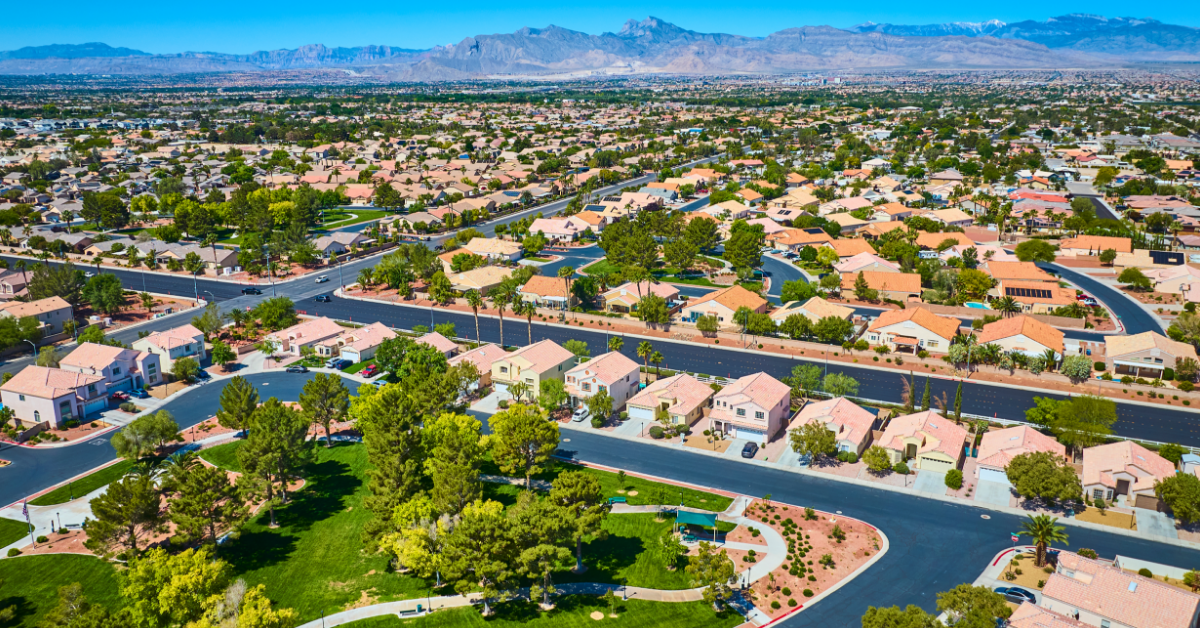
A master-planned community is a large residential development created according to a comprehensive, long-term vision. Instead of homes being added gradually over time, the entire community is planned in advance, including roads, landscaping, common areas, amenities, and housing options.
Master-planned communities typically include single-family homes, open green spaces, walking trails, and recreational features that are thoughtfully integrated into the neighborhood. Many are also developed near schools, shops, and restaurants, with easy access to major roadways. This approach creates a sense of cohesion and intentionality that is difficult to replicate in more traditional neighborhoods.
A Neighborhood Designed to Feel Connected
One of the most defining characteristics of master-planned living is the emphasis on connection. These communities are designed to bring people together naturally through shared spaces and walkable layouts.
Sidewalks, trails, parks, and gathering areas encourage residents to spend time outside and interact with neighbors. This design supports a stronger sense of community, whether through children playing together after school or neighbors crossing paths during evening walks.
For many residents, this connection creates a more welcoming environment and a greater sense of belonging, which can be harder to find in neighborhoods that were not designed with interaction in mind.
Amenities That Enhance Everyday Life
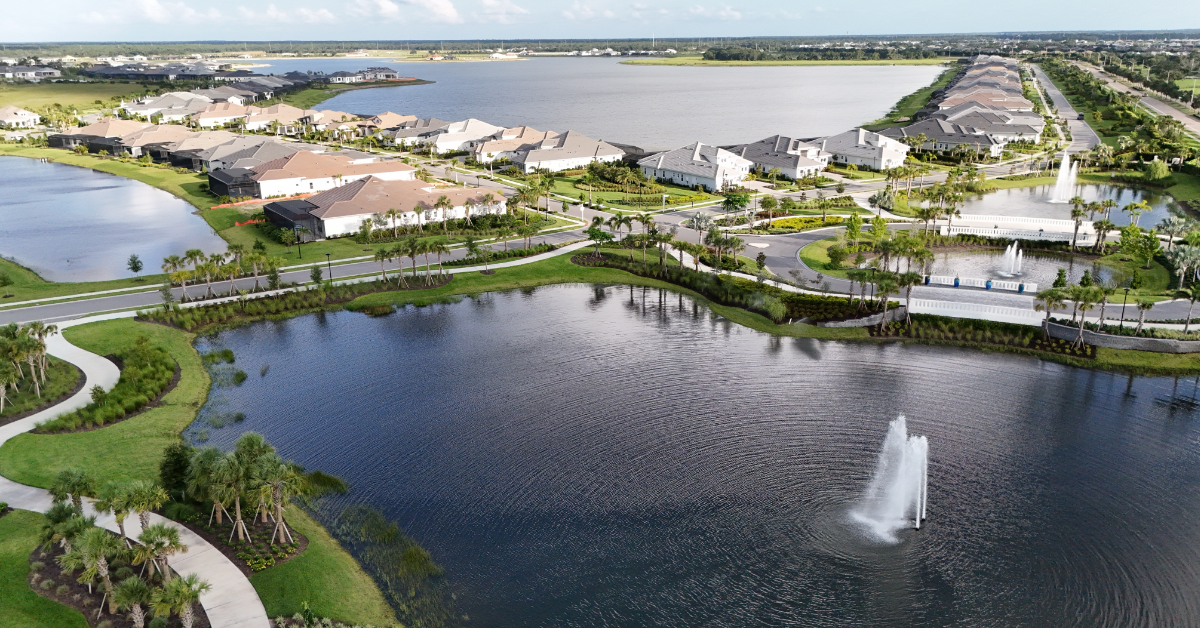
Amenities are a major draw for master-planned communities, but what truly sets them apart is how those amenities are incorporated into daily living. Rather than being added later, features such as resort-style pools, tennis courts, playgrounds, and scenic green spaces are part of the original plan.
These amenities provide convenient ways to relax, stay active, and spend time with friends and family close to home. Common areas are often designed for flexibility, supporting both quiet enjoyment and larger gatherings. Because these spaces are centrally planned and maintained, they tend to feel cohesive and well cared for over time.
Outdoor Living and Shared Green Spaces
Access to outdoor space is a priority in many master-planned communities. Trails, parks, and open areas encourage an active lifestyle while offering opportunities to unwind and recharge.
Whether you benefit from taking a morning walk, enjoying time outdoors with family, or simply appreciating landscaped surroundings, the experience of those who live in master-planned communities is greatly shaped by outdoor areas in the neighborhood. Some communities also feature lakes or golf courses that add visual interest and provide additional recreational opportunities.
These outdoor elements contribute to both quality of life and long-term neighborhood appeal.
Convenience That Supports Daily Routines
Another advantage of living in a master-planned community is convenience. These neighborhoods are often located with accessibility in mind, offering easy access to major highways and nearby destinations.
Many master-planned communities are situated near shops and restaurants, making everyday errands simpler and more efficient. This proximity helps reduce commute times and supports a lifestyle where more time can be spent enjoying home and community rather than sitting in traffic.
For busy households, this built-in convenience can make a noticeable difference in daily life.
Housing Options That Fit Different Lifestyles
Master-planned communities are designed to accommodate a range of homeowners. While single-family homes are common, there is typically a variety in floor plans, architectural styles, and lot sizes.
This flexibility allows buyers to choose a home that fits their current needs while remaining in a neighborhood designed for long-term living. It also creates a more balanced community where residents may be at different stages of life but share a common appreciation for the neighborhood’s design and amenities.
Real Estate Value and Long-Term Appeal
From a real estate perspective, master-planned communities are often associated with strong long-term value. Consistent design standards, well-maintained common areas, and a unified vision help preserve curb appeal and neighborhood character.
Because buyers know what to expect from these communities, demand often remains steady over time. This predictability can be appealing to homeowners who are thinking not only about where they want to live today, but also about long-term investment and resale potential.
Considering the Pros and Cons
Like any housing choice, living in a master-planned community comes with considerations. Some homeowners value the structure, shared guidelines, and community standards that help maintain consistency. Others may prefer fewer rules or a more informal environment.
Taking time to understand homeowners’ association expectations, long-term development plans, and community guidelines can help ensure the neighborhood aligns with your priorities. For many residents, the benefits of thoughtful planning, shared amenities, and a connected environment outweigh any trade-offs.
Why Master-Planned Communities Continue to Attract Buyers
Master-planned communities appeal to a wide range of buyers because they offer more than just housing. They provide a lifestyle shaped by intentional design, convenience, and shared experiences.
From outdoor recreation and common areas to accessibility and long-term planning, these communities are built to support how people live today while anticipating future needs. This combination of structure and lifestyle continues to make master-planned living an attractive option for homeowners across different life stages.
Discover Master-Planned Living at Ashland
Ashland brings the benefits of master-planned living to life in a way that feels welcoming, thoughtful, and grounded in community. Located in Angleton, Ashland offers single-family homes within a carefully designed neighborhood that prioritizes connection, outdoor spaces, and everyday convenience.
With inviting common areas, scenic surroundings, and a long-term vision for growth, Ashland reflects the qualities that draw people to master-planned communities in the first place. For those considering whether this type of lifestyle is the right fit, Ashland offers an opportunity to experience the advantages of master-planned living in a setting designed to feel like home.