
The most successful communities are meticulously designed around more than just homes. They are built to support routines, relationships, and long-term livability. Understanding which amenities truly make a difference helps you evaluate not just where you will live, but how you will live.
Amenities Should Support Daily Life
It is easy to be drawn to large, eye-catching features during a first visit. A grand entrance or a resort-style pool can create a strong first impression, but the real value of amenities shows up in everyday use.
The best master-planned communities prioritize functionality alongside design. Walking trails that connect neighborhoods, accessible green space, and thoughtfully placed community centers all contribute to a more seamless daily experience. These are the features that become part of your routine rather than something you only notice on day one.
When touring communities, it is worth considering how often you would realistically use each amenity. The goal is to find a community where amenities feel integrated into your lifestyle, not separate from it.
Walking Trails & Green Space
One of the most consistently valued features in master-planned communities is access to outdoor space. Parks, trails, and open green areas offer more than visual appeal. They support physical activity, mental well-being, and a stronger connection to your surroundings.
Well-designed trail systems encourage movement throughout the day, whether that means morning walks, evening runs, or simply getting outside with family. Communities that prioritize parks and trails tend to feel more open and less congested, even as they grow.
Green space also plays a long-term role in preserving the character of a neighborhood. It creates balance between development and nature, helping the community maintain its appeal over time.

Recreational Facilities
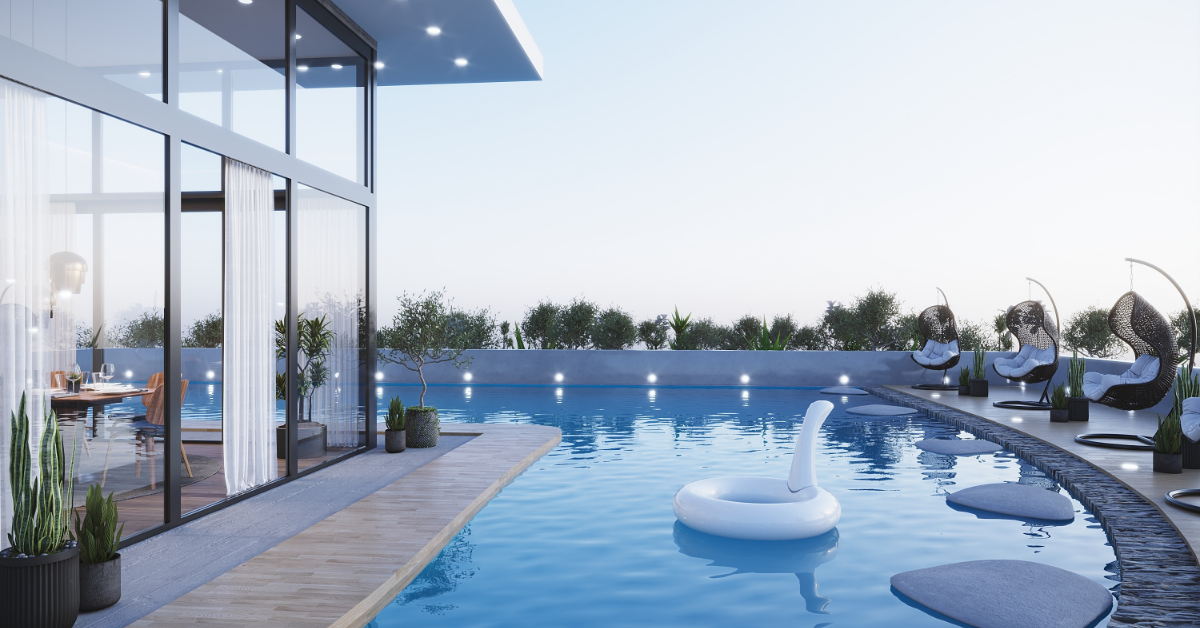
Recreational amenities are often a central selling point, but their value depends on how well they serve a range of residents. Pools, fitness centers, and sports courts are most effective when they are easy to access and designed for consistent use.
A well-planned fitness center can reduce the need for external gym memberships, while thoughtfully designed pool areas create opportunities for both relaxation and social interaction. The key is variety. Communities that offer multiple ways to stay active tend to appeal to a broader group of homeowners.
Accessibility matters just as much as the amenities themselves. Facilities that are conveniently located within the community are far more likely to become part of everyday life.
Community Centers & Events
A strong sense of community does not happen by accident. It is supported by spaces and programming that bring residents together.
Community centers act as gathering points for events, meetings, and shared experiences. Whether it is seasonal celebrations, local markets, or organized activities, these moments help turn neighbors into connections.
For many buyers, this social aspect is just as important as physical amenities. A community that actively creates opportunities for interaction tends to feel more welcoming and engaged. Over time, that contributes to a more stable and connected neighborhood.
Dog Parks & Family-Friendly Spaces
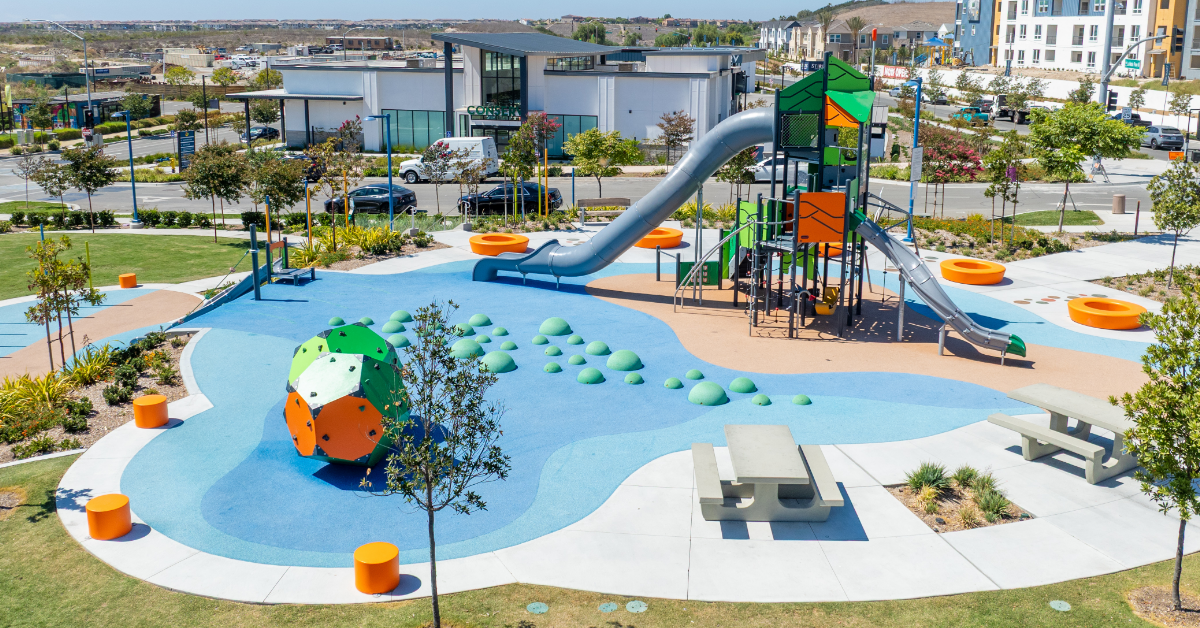
Practical amenities often have the biggest day-to-day impact. Dog parks, playgrounds, and open-use spaces provide convenience that is easy to overlook during the buying process but becomes essential after move-in.
For pet owners, having a dedicated dog park within the community simplifies routines and creates opportunities to connect with other residents. For households with children, safe and accessible play areas offer both convenience and peace of mind.
These types of amenities reflect a deeper level of planning. They show that the community is designed around real lifestyles rather than a one-size-fits-all approach.
Thoughtful Design That Impacts Long-Term Value
Amenities do more than enhance daily life. They also influence long-term real estate value. Communities with well-maintained and thoughtfully designed features tend to retain their appeal as they mature.
This is where planning and execution matter. Amenities should feel cohesive with the overall design of the community, not added as an afterthought. Maintenance, layout, and quality all play a role in how those spaces age over time.
When evaluating a community, it is important to look beyond what is available today and consider how those amenities will be maintained in the future. A strong homeowners’ association and clear long-term vision often indicate that the community is built to last.
Location Still Plays a Role in How Amenities Are Used
Even the best amenities are less impactful if they are not supported by a convenient location. Proximity to work, schools, and everyday essentials influences how much time residents can actually spend enjoying what the community offers.
In high-growth areas like Greater Houston, master-planned communities are often positioned to balance accessibility with space. This allows residents to benefit from both connectivity and a more relaxed environment.
When amenities and location work together, the result is a lifestyle that feels both efficient and elevated.
What to Look for When Touring a Community
As you explore different options, it helps to approach amenities with a clear perspective. Focus on how they contribute to your routine, how they are maintained, and how they fit into the overall design of the neighborhood.
Pay attention to details such as the condition of shared spaces, the layout of trails and parks, and the accessibility of recreational facilities. Consider whether the community offers a mix of active and social amenities, and whether those features feel thoughtfully integrated.
The goal is to identify a community where amenities are not just included, but intentionally designed to support the way you want to live.
Ashland: A Community That Brings It All Together
The most compelling master-planned communities bring all of these elements into alignment. They combine outdoor space, recreational facilities, and community-focused design into a cohesive experience.
Ashland reflects that approach. Its amenities are planned to support both everyday routines and long-term value, with a focus on connection, usability, and thoughtful design. Walking trails, green space, and shared gathering areas are not separate features. They are part of a broader vision for how the community functions as a whole.
For buyers considering master-planned communities, the difference often comes down to how well everything works together. Ashland is designed with that balance in mind, offering an environment where amenities enhance not just the neighborhood, but the way residents experience daily life.